
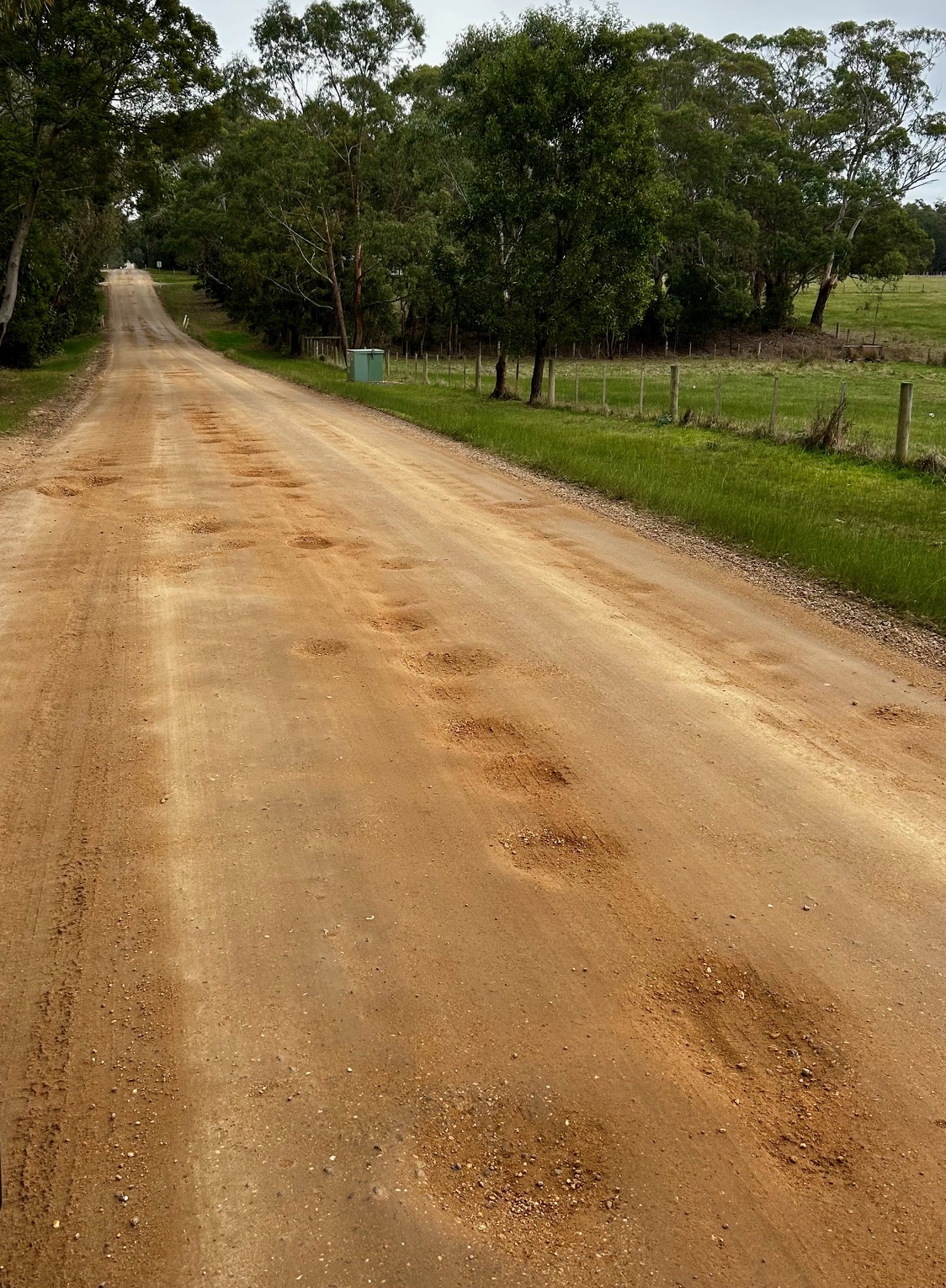
Gravel (unsealed) roads are a vital part of our transportation infrastructure, linking communities and providing essential access to rural areas. Neglecting their maintenance can lead to a host of problems, from potholes and uneven surfaces to safety concerns and environmental impacts. This post explores the common issues that arise when gravel roads are left unattended, and the many benefits of investing in their upkeep.
Understanding these aspects will enhance road safety and save costs in the long run, ensuring a smoother ride for everyone.
The Importance of Maintaining Gravel Roads
The maintenance of gravel roads is not merely a matter of aesthetics; it is a cornerstone of public safety and a catalyst for efficient transportation in rural areas. These unpaved thoroughfares serve as essential lifelines for emergency services and daily commuters alike.
Proper upkeep of these roads does more than enhance usability; it effectively reduces wear and tear on vehicles, curtails maintenance costs, and prolongs the infrastructure's lifespan. A well-maintained gravel road can greatly improve traffic flow, diminish the likelihood of hazards such as potholes and bumps, and ensure that communities remain interconnected, come rain or shine—or should we say, come mud or dust?
Understanding the Impact of Neglect
Neglecting gravel roads is akin to inviting repercussions such as the unwelcome emergence of potholes and uneven surfaces. These issues not only compromise the stability of the road but also present significant safety hazards for both vehicles and their drivers—an unfortunate combination for anyone who values a smooth journey.
As time progresses, those neglected roads can lead to accidents waiting to happen, as vehicles grapple with the challenge of maintaining control on poorly maintained gravel paths. Rural communities see increasing repair expenses. This neglect doesn’t just affect individual drivers through increased wear and tear; it casts a shadow over overall community safety and accessibility for example by emergency services.
Common Issues with Unmaintained Gravel Roads
Unmaintained gravel roads can transforming a simple journey into an adventure , and not in a good way. From substandard gravel quality to road conditions that seem to have been inspired by an obstacle course, these thoroughfares can lead to accelerated wear and tear on vehicles and a significant compromise to road safety. It’s as if the road itself is issuing a challenge: “Navigate this if you dare!”
Pot-holes and Uneven Surfaces
Potholes and uneven surfaces are the notorious villains in the saga of gravel roads, wreaking havoc on vehicles and forcing maintenance crews into a never-ending cycle of repairs that can stretch even the most robust budgets to their limits.
These pesky depressions arise primarily from a trifecta of traffic stress, moisture infiltration, and those pesky temperature fluctuations. Timely repairs are not merely advisable; they are essential. Neglecting these issues could result in damage that is far more extensive, ultimately jeopardising not only vehicles but also the very integrity of the roadway itself.
Fortunately, various maintenance procedures, such as crack sealing, surface patching, and full-depth reclamation, provide effective remedies to these ailments. Techniques like cold patching and hot mix asphalt offer immediate relief, while preventative measures ensure that gravel roads remain safe and serviceable for all who dare to traverse them.
Vehicle Damage and Safety Concerns
The condition of gravel surfaces has a remarkable impact on vehicle longevity and road usability, where neglecting proper maintenance can lead to severe vehicle damage and amplify safety concerns for drivers bravely navigating the bumpy landscapes.
It is imperative to ensure that gravel roads are well-maintained, not only to safeguard individual vehicles but also to enhance the safety of all who traverse these routes. After all, poorly graded surfaces can result in skidding, tyre blowouts, and even rollovers - something I have witnessed first hand more than once in Wurdale Fire Brigade.
To counter these risks, a regimen of regular grading and the careful application of fresh gravel can smooth out those pesky surface irregularities. Timely repairs of potholes and diligent drainage maintenance can prevent erosion and preserve surface integrity, making for a more pleasant, safer ride.
Such proactive measures foster a safer driving environment, ensuring that all road users—cyclists, pedestrians, horses, and even your average car enthusiast—can confidently navigate even the most formidable trails without fear of an unexpected detour into vehicular chaos.
Poor Drainage and Environmental Impact
Inadequate drainage on gravel roads can cause a cascade of issues such as increased water runoff and erosion control dilemmas that compromise not only the integrity of the roads themselves but also the delicate surrounding ecosystem.
When rainwater collects on improperly designed surfaces, it can overwhelm natural drainage pathways, leading to substantial soil erosion. This, in turn, degrades nearby habitats and water quality. Investing in erosion control measures can reinforce road banks, ensuring their longevity and significantly cutting down on maintenance costs over time. It's a win-win situation, both for the roads and the ecosystems they traverse.
Benefits of Proper Gravel Road Maintenance
Engaging in proper gravel road maintenance is akin to nurturing a fine wine; it yields a plethora of benefits, such as substantial cost savings, heightened safety for all road users, and prolonged vehicle longevity.
Cost Savings and Improved Safety
Investing in proper maintenance practices is not merely a matter of prudence; it is akin to finding a hidden treasure chest in the realm of local government budgets. By embracing these practices, municipalities can enjoy cost savings through reduced repair needs while simultaneously enhancing safety outcomes for both drivers and pedestrians. Clearly, allocating funds to public works is a decision that makes financial and logical sense.
In regions where consistent maintenance programs flourish, infrastructure is not only bolstered but community trust in local government also receives a much-needed boost. Residents can stroll, cycle, ride or drive along these vital routes with a sense of security, knowing that their local government has taken the necessary steps to ensure their safety and comfort.
Extended Lifespan of Roads and Vehicles
Proper gravel road maintenance is akin to a well-tailored suit; it significantly extends the lifespan of both the roads themselves and the vehicles that traverse them, highlighting the importance of investing in effective maintenance solutions for optimal vehicle performance.
When roads are kept in pristine condition, they offer a smoother surface for vehicles, thereby reducing the wear and tear on essential components such as tyres, suspension, and alignment. This, in turn, leads to fewer breakdowns and a delightful decrease in repair costs, making vehicle ownership more economical in the long run.
A well-maintained road network enhances the overall driving experience by promoting safety and comfort during travel. Drivers are likely to enjoy navigating familiar routes that are blissfully free of potholes and other obstacles, ultimately contributing to their satisfaction and the longevity of their vehicles. After all, who wouldn’t prefer a smooth ride over a bumpy one?